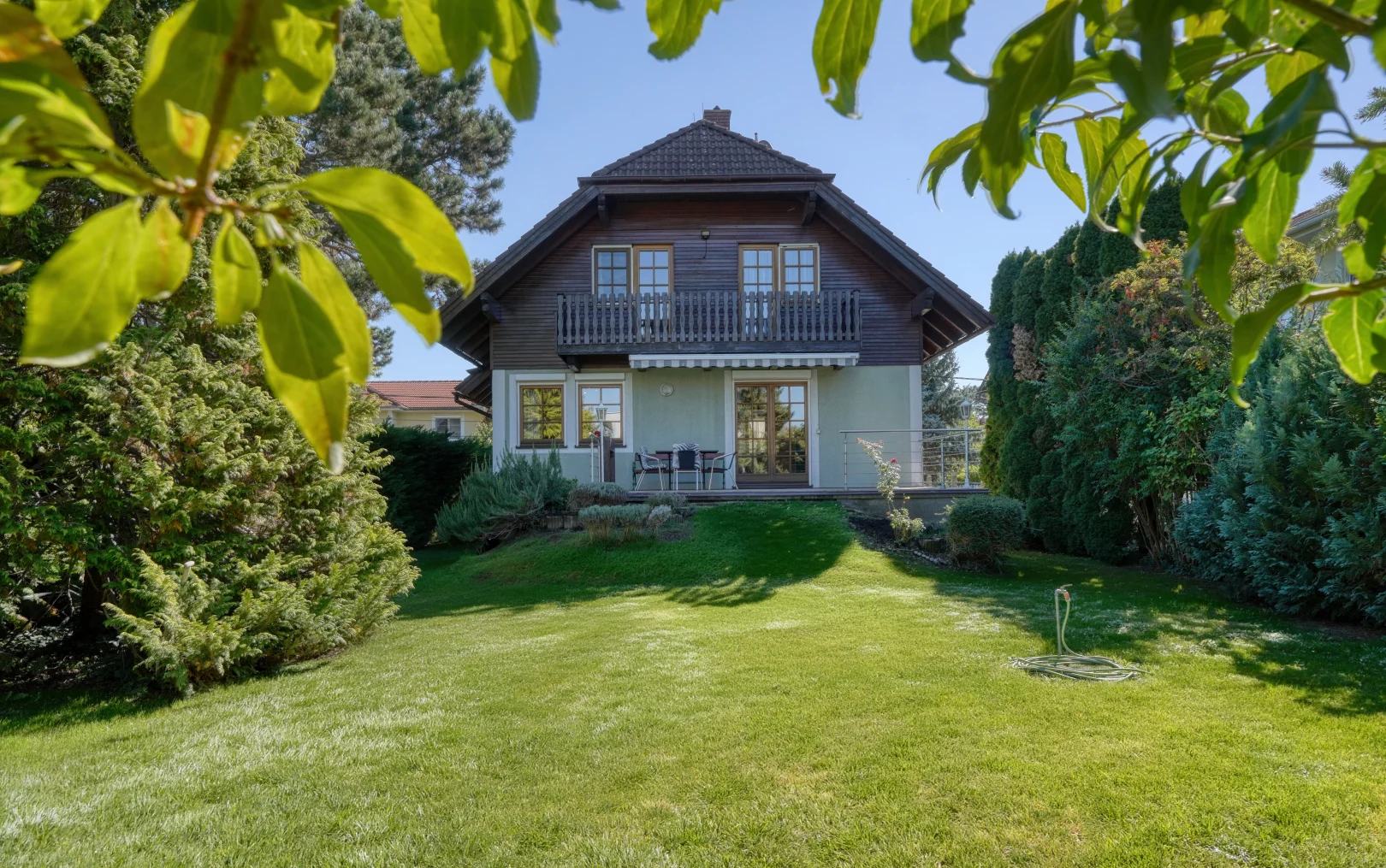
Inherited property · Vienna & Lower Austria
An inheritance raises a lot of questions, often at a difficult time: keep it or sell it? What will it cost? How do co-heirs agree? We explain everything calmly – and handle the sale if that's what you want.
5.070 Google reviewsIn short
You can usually sell an inherited property once the probate proceedings have ended with the court's transfer order (Einantwortung) and you're registered in the land register. Inheriting triggers property transfer tax on a tiered scale (0.5% / 2% / 3.5% of the property's assessed value). When you sell, the deceased's purchase date and costs apply – for property acquired before April 2002, a flat rate applies that goes up in 2027.
The road to a sale
This is how it works in most cases – we step in wherever you need us.
The district court appoints a notary as court commissioner, who takes stock of the estate and handles the heirs' declarations of acceptance.
The court's transfer order (Einantwortungsbeschluss) settles who inherits what.
Based on the transfer order, the heirs are registered as the new owners.
Keep it, rent it out or sell it? We value the property for free so you can decide based on real numbers.
Presentation, marketing, negotiation and the purchase contract – just like any other sale, only with extra sensitivity.
Taxes when inheriting
Austria currently has no inheritance tax – but property transfer tax does apply when a property is inherited. For transfers without payment, a tiered rate applies: 0.5% on the first €250,000, 2% on the next €150,000 and 3.5% on anything above that – based on the property's assessed value. On top of that comes the land register fee.
Taxes when selling
If you sell the inherited property, real estate income tax (ImmoESt) generally applies. Because you received the property without paying for it, the deceased's purchase date and costs are what count.
If the deceased bought the property before April 2002, a flat rate usually applies: effectively 4.2% of the sale price through the end of 2026, and 6% from January 1, 2027. On a €400,000 sale, that's a difference of €7,200. The main-residence exemption only applies if you lived there yourself for long enough.

Several heirs? We help you find common ground.
When several people inherit, everyone has to agree. A neutral, honest valuation is often the key to a fair solution – whether you sell together or one heir takes over.
Free valuationCo-heirs
When several people inherit, there are basically three options:
All heirs sell together and split the proceeds according to their shares. Often the simplest and fairest solution.
One heir keeps the property and buys out the others. A neutral valuation is the best basis for that.
As a last resort, a division can be requested in court. That takes time and money – an agreement is almost always better.
Checklist for heirs
Especially in the first few weeks, a clear list helps.
Keep it or sell it?
Keeping it means running costs, maintenance and maybe renting it out with all the obligations that come with it. Selling it means freeing up capital and getting clarity – often within the family, too.
We run the numbers on both options with you: a realistic sale price, taxes, costs and what's left at the end. No pressure – the decision is yours.
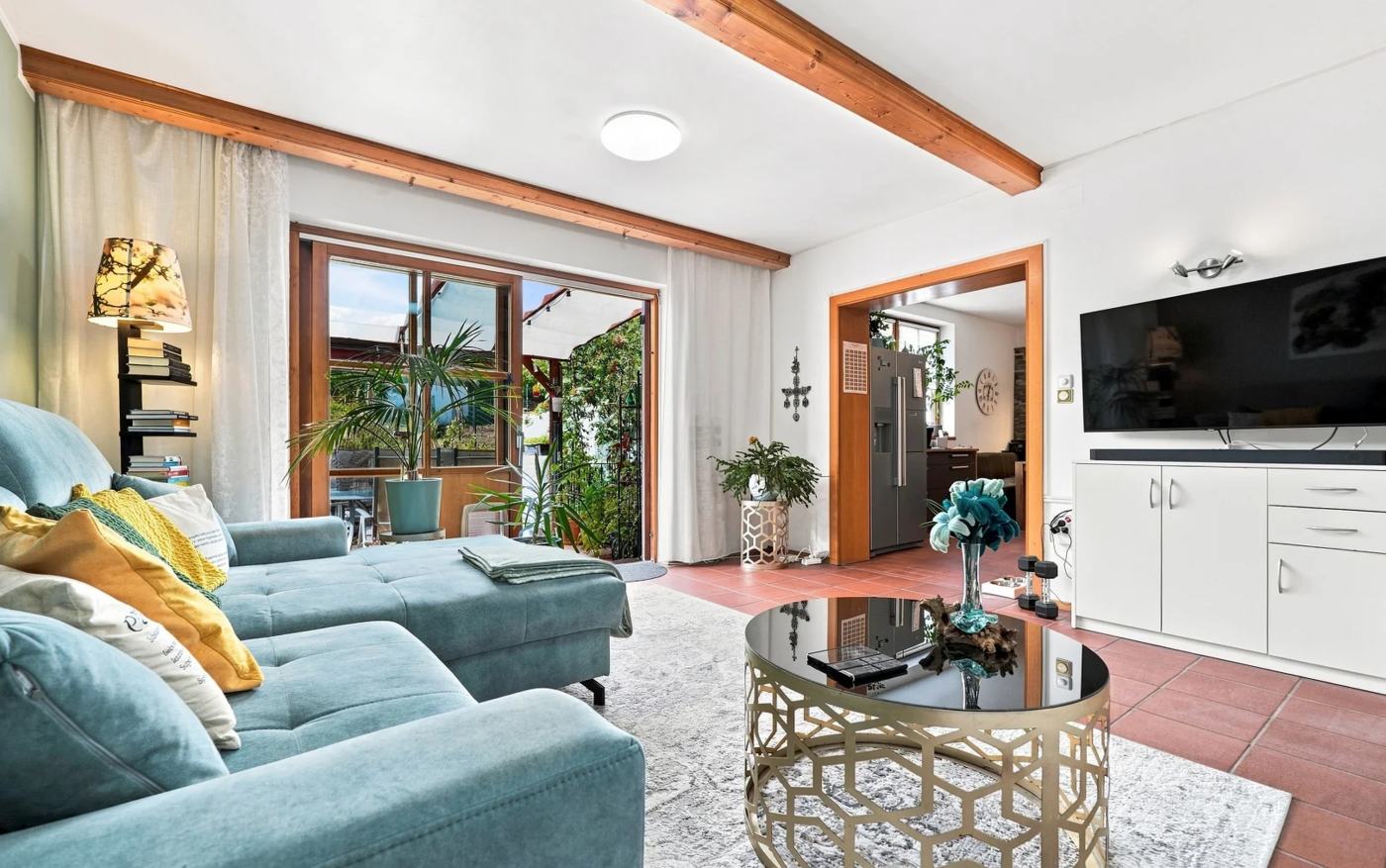
Inherited with tenants
If you inherit a rented apartment, you take over the existing lease as the landlord – with all its rights and obligations. Many heirs would rather not take on that responsibility.
A rented apartment sells well to investors. We prepare the lease, the rent and the condition so buyers can make a decision quickly.
FAQ
Your question isn't here? Call or write to us – we answer personally.
Ask a questionNo, not at the moment. But when a property is inherited, property transfer tax applies on a tiered scale: 0.5% on the first €250,000, 2% on the next €150,000 and 3.5% on anything above that, based on the property's assessed value.
Usually as soon as the probate proceedings have ended with the court's transfer order and you're registered in the land register.
Real estate income tax (ImmoESt). What counts is when the deceased bought the property and what they paid for it. For property acquired before April 2002, a flat rate applies – effectively 4.2% of the sale price through the end of 2026, and 6% from 2027.
A neutral valuation often helps as common ground. You can sell together, or one heir can buy out the others' shares.
Yes – if you'd like, we help organize everything around the handover so you don't have to deal with every detail yourself.
Real Google reviews
Reviews from our clients on Google, most of them in German.
 Personal · fast · hassle-free
Contact
Whether you want to sell, buy or simply know what your property is worth – we are only one message away and reply personally, in English.
Legal basis & sources
General information, not legal or tax advice for individual cases. As of: November 2026.