Why take a close look at an attic apartment?
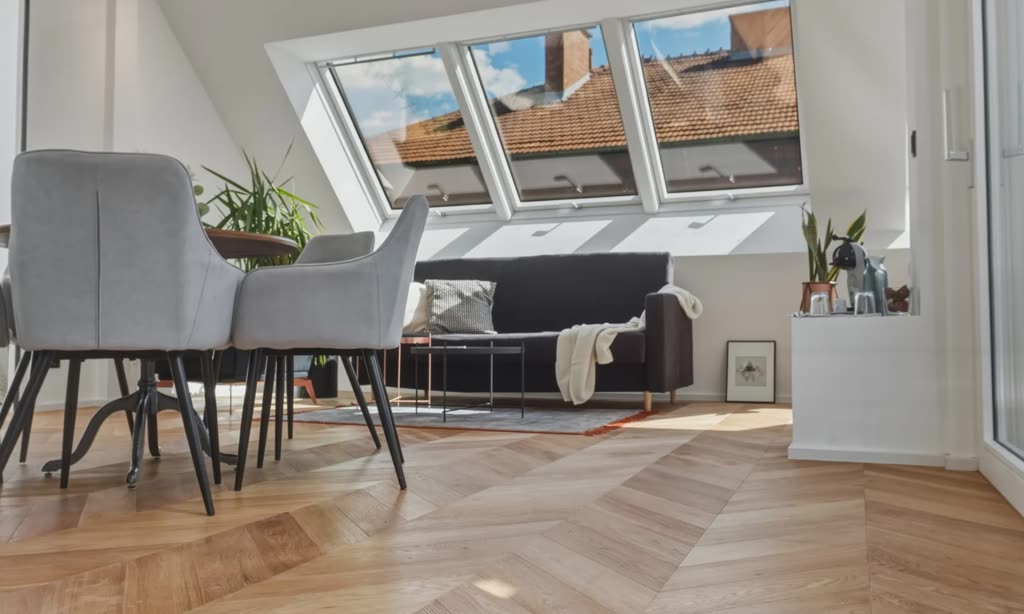
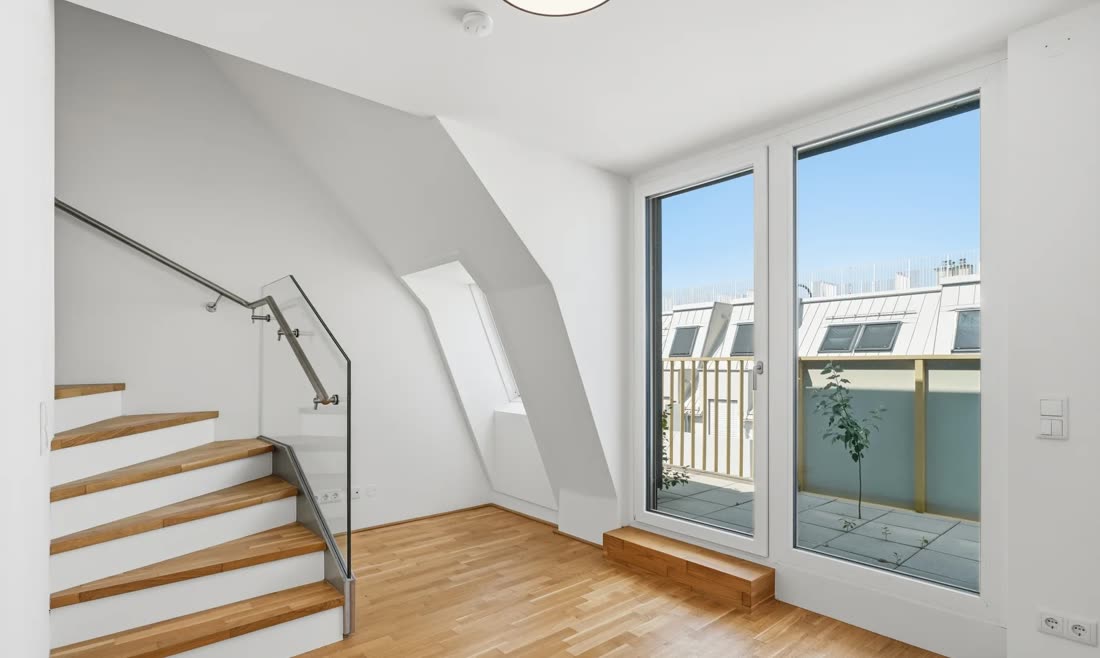
An attic conversion is a new apartment built on top of an existing building. Roof, insulation, waterproofing, terrace and building systems all have to fit together perfectly – and much of it later disappears behind drywall and flooring. Defects often only show up after one or two winters: as damp, mold or drafts.

The 5 inspection areas at a glance
Area 1Airtightness
Blower door test, vapor barrier, moisture measurement
Area 2Heat
Thermal imaging, heat bridges, insulation, summer heat
Area 3Roof & terrace
Waterproofing, slope, drains, window connections
Area 4Building systems & safety
Sound insulation, fire safety, electrical, heating and ventilation
Area 5Structure
Cracks, structural engineering and building approval
1. Airtightness: air and moisture
In a blower door test, a fan in the door creates negative pressure. It measures how much air escapes through gaps. For new builds, OIB Guideline 6 sets limit values – in multi-family buildings, for every single apartment.
Why it matters: warm, moist indoor air seeps into the insulation through leaks. The vapor barrier – a membrane on the inside of the insulation – is meant to prevent that. Weak spots are outlets, recessed lights and pipes. A moisture measurement shows whether moisture has already collected anywhere.
2. Heat: insulation and heat bridges
A thermal imaging camera shows where heat is escaping. It's most revealing during the heating season, when it's much colder outside than inside.
- Where the roof meets the outer wall
- Roof windows and dormers
- Terrace doors and connections
- Protection against overheating in summer: insulation and shading
3. Roof, terrace and drainage
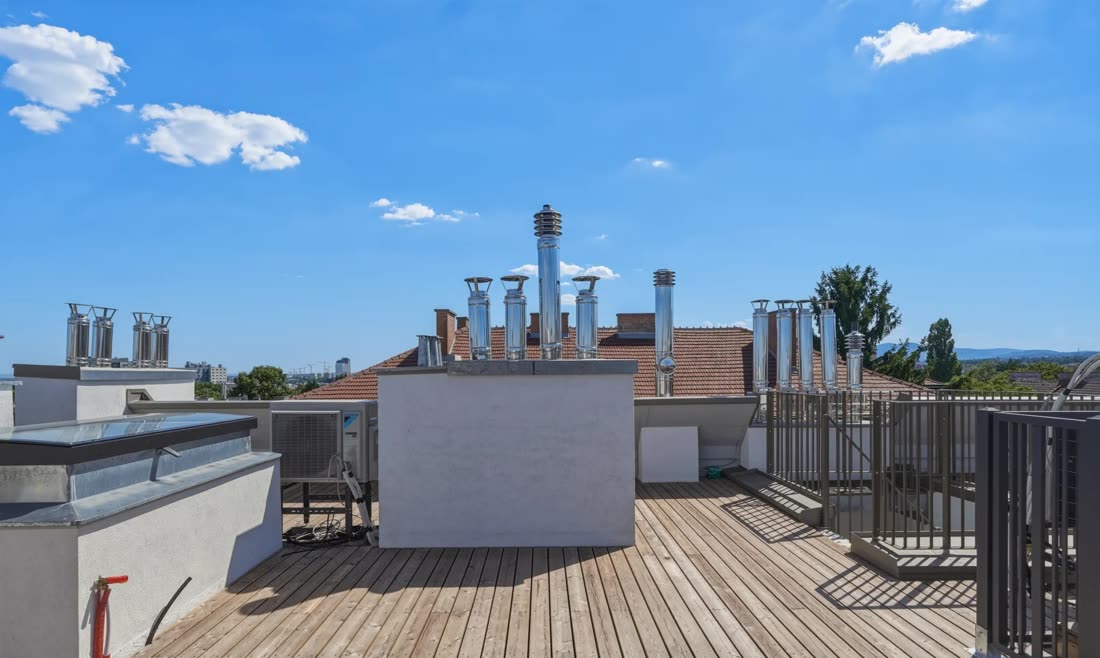
Roof terraces are the most common source of moisture damage in attic apartments. The expert checks the waterproofing, the slope toward the drains, clear drains and emergency overflows and the connections to doors and walls. Where possible, it's worth looking under the decking.
4. Building systems and safety
- Sound insulation: impact noise to the apartment below
- Fire safety: fire compartments, escape routes, smoke detectors
- Electrical: is there an inspection report?
- Heating, cooling, ventilation: function and maintenance records
5. Structure and cracks
A conversion adds extra weight to the building. Cracks in walls and ceilings – including on the floors below – should have an explanation. Ask for the structural documents and the building approval.
Documents you should ask for
- Building permit and submitted plans
- Completion notice
- Energy certificate
- Test reports, e.g. blower door test and electrical
- Structural engineering or building approval
- From a developer: the specification of features and the retention arrangement
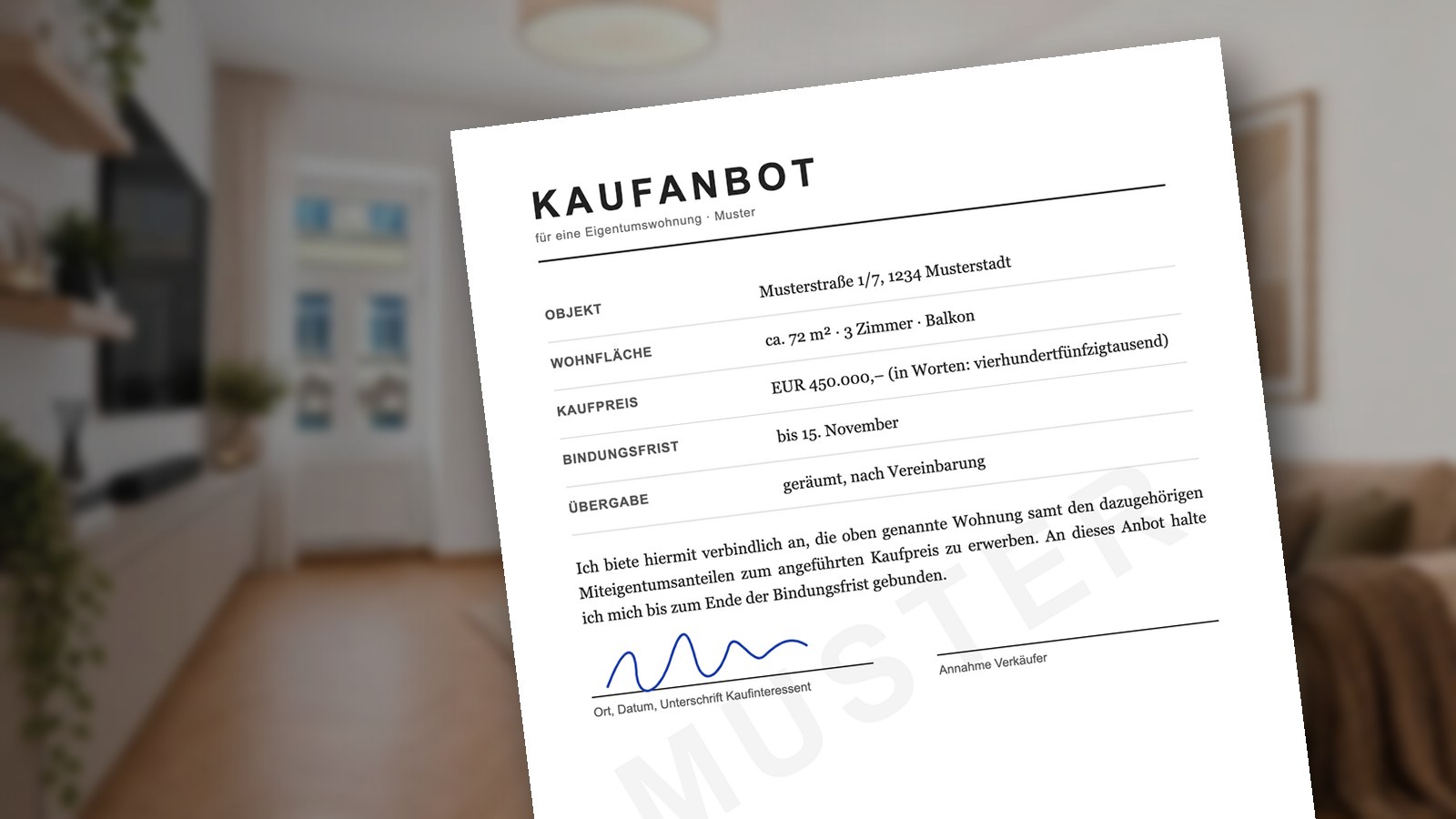
For new attic conversions, tricky properties and older buildings, a pre-purchase inspection by a sworn, court-certified expert is worth it – ideally one with experience in building construction and building physics. Do the inspection before you sign a binding purchase offer. The report protects you from expensive surprises and gives you a solid basis for negotiating the price.
Warranty: what applies?
Buying from a private seller
By law, the warranty runs three years from handover – but private sellers often exclude it (“as viewed”). That makes an inspection before buying all the more important.
Buying from a developer
As a consumer, the warranty can't be excluded before the defect is known. On top of that, there's usually a retention of at least 2% of the price for three years.
General information, not legal or construction advice for individual cases.